Buckeye Insulation Pros
(623) 260-2057
Attic Insulation Services in
Buckeye AZ
Your attic is taking the worst of it. Middle of July, it’s not unusual to see attic temps hit 140–150 degrees. That heat just sits there, baking your ceiling drywall from above. If there’s not enough insulating material between that attic and your living space, it doesn’t matter how hard your AC runs—you’re fighting a losing battle. Heat always moves toward cold. So when it’s 115 outside and your house is set to 75, that heat is constantly trying to push its way in. The attic is one of the biggest entry points. If it’s not properly equipped with insulating material, that heat transfers right through the ceiling joists and into your home all day, then keeps coming even after the sun goes down
What Attic Insulation Actually Does
A lot of people think insulation “blocks” heat. It doesn’t. What it does is slow heat down. We measure that resistance using R-value. The higher the R-value, the better it resists heat flow. You want enough insulation in your attic to seriously slow that transfer from a 140-degree attic to your 75-degree living room. Most homes we look at are under-equipped with insulation. Either the original builder cut corners, or the insulation has settled over time. Fiberglass batts get compressed, blown-in insulation shifts around, and suddenly you’ve got hot spots—rooms that just won’t stay cool no matter what you do.
The Materials We Use (And Why)
For attics out here, we’re usually working with two main options: blown-in fiberglass or blown-in cellulose. Sometimes we’ll deal with existing batt insulating material, but most upgrades involve adding loose-fill material over the top. Blown-in fiberglass is lightweight and doesn’t hold moisture. It’s good for getting even coverage across the attic floor, especially around wiring, ducts, and tight framing. Cellulose is heavier and does a better job at air resistance. It’s made from treated paper, and it packs in tighter, which can help reduce small air movements through the insulating material layer. The key isn’t just the material—it’s the depth and coverage. You can have the “right” insulation and still have problems if it’s uneven or missing in spots.

The Part Most People Miss: Air Sealing
Before we even think about adding insulating material like
spray foam insulation and
wall insulation, we look at air gaps. Insulating material slows heat, but air movement carries it. If you’ve got gaps around ceiling penetrations—like recessed lights, attic hatches, plumbing vents—that hot attic air will leak straight into your house. We go through and seal those up first. Foam, caulk, weatherstripping—whatever fits the situation. It’s not flashy work, but it makes a difference. Without it, you’re just piling insulating material on top of a leaky ceiling.
Others Services That We Offer:
How the Installation Actually Happens
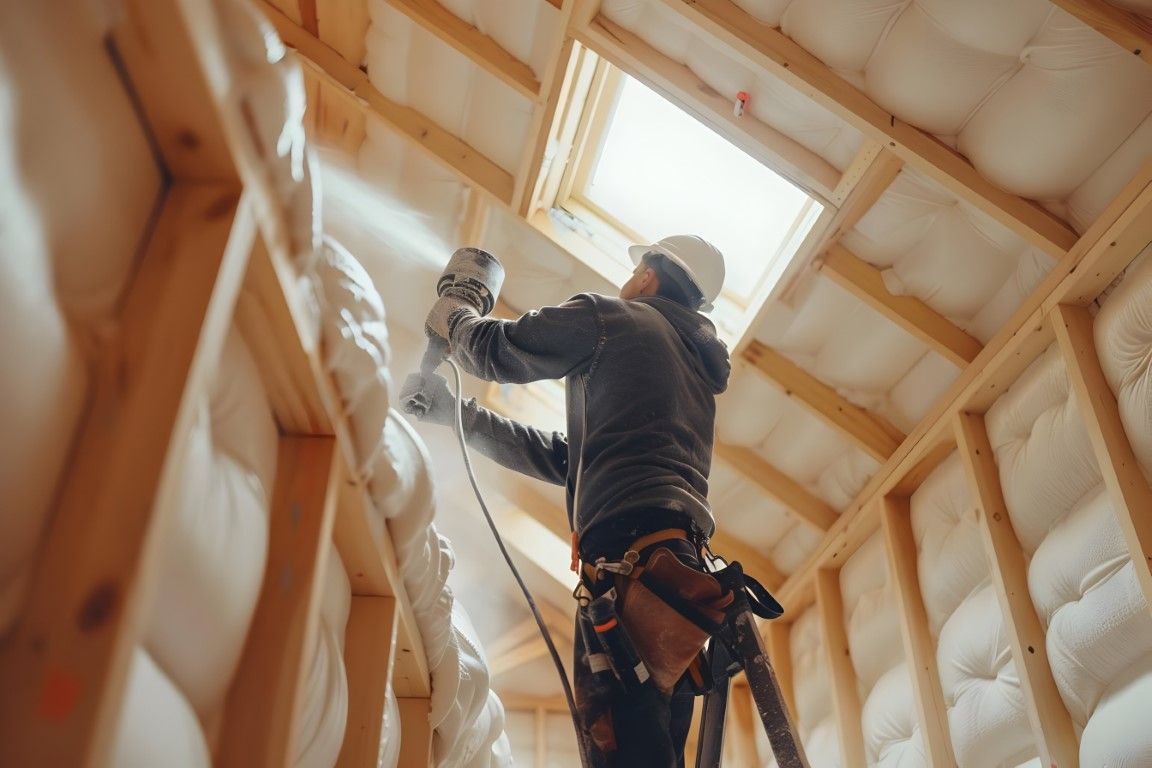
This isn’t just tossing insulating material around and calling it a day. First, we get up in the attic and check what’s there. We’re looking at the current R-value, any damaged or compressed areas, and whether the soffit vents are clear. Those vents matter—they let hot air escape. If they’re blocked, your attic turns into an oven with no way to breathe. We install baffles along the eaves to keep insulating material from choking off airflow. These sit between the rafters and make sure air can move from the soffits up toward the ridge or roof vents. Then comes the
blown-in insulation process. We use a machine that feeds insulating material through a hose and distributes it evenly across the attic floor. One guy runs the machine outside, feeding the material. Another is in the attic with the hose, making sure coverage is consistent and hitting the right depth across every section.
Why This Matters in the West Valley
Out here, your AC system is already working hard. If your attic insulation in Buckeye, AZ, is lacking, it’s like running your AC with the windows cracked open. Good attic insulation reduces that constant heat load. That means your system cycles less, runs more efficiently, and doesn’t wear out as fast. You’ll notice it in your power bill, but more importantly, you’ll notice it in how your house feels—fewer hot spots, more consistent temps from room to room.
When It’s Worth Doing—and When It’s Not
If your home was built in the last few years and already has the proper R-value, adding more insulation might not do much for you. Same goes if your problem is something else—like leaky ductwork or a failing AC unit.
But if you’ve got:
- Rooms that won’t stay cool
- High summer electric bills
- An older home with original insulation
- Or you’ve been in the attic and can see joists sticking up above the insulation
We’ll tell you straight if it makes sense or not. Sometimes the fix is simple—just adding insulation. Other times it’s a combination of sealing, ventilation, and insulation working together.
FAQs About Attic Insulation
How do I know if my attic insulation needs to be replaced or upgraded?
If your home feels hot upstairs, your energy bills keep rising, or you notice uneven temperatures between rooms, your attic insulation may not be doing its job anymore. Older insulation can settle or lose effectiveness over time, which leads to heat entering your living space.
What type of attic insulation works best for homes?
The right type depends on your attic layout and current condition. Blow-in insulation is a popular choice for adding coverage, while spray foam can help seal air leaks. A proper inspection helps determine what will perform best in your specific space.
How long does attic insulation last?
Most attic insulating material can last 20 to 30 years or more if it stays dry and undisturbed. Over time, it may settle or lose performance, so checking it every few years helps keep your home running efficiently.
Will attic insulation really lower my energy bills?
Yes, it often does. Proper insulating material reduces heat transfer from the attic into your home, so your cooling system doesn’t have to run as often. Many homeowners notice a difference within the first few billing cycles.
Can attic insulation help with indoor comfort?
It can make a noticeable difference. Rooms feel more consistent in temperature, and your home becomes easier to cool during hot days. It’s one of those upgrades you feel almost immediately.
Is it possible to add new insulation over existing attic insulation?
In many cases, yes. If the current insulating material is still in fair condition, new material can be added to improve overall coverage. If it’s damaged or contaminated, removal may be recommended before installing new insulating material.