Buckeye Insulation Pros
(623) 260-2057
Insulation Contractor Buckeye AZ
Buckeye Insulation Pros provides residential and commercial insulation services throughout the area. In the Arizona desert, the primary function of insulation is to slow the transfer of radiant heat from the roof into the living space. We focus on practical installations that help your cooling system maintain a steady temperature without running constantly.
What We Offer
We provide a range of services focused on the building envelope. We do not use high-pressure sales tactics; we simply evaluate the current state of your insulation and provide the specifications for an upgrade.
- Attic Insulation: We primarily use blown-in fiberglass or cellulose to reach the recommended R-value for the Maricopa County climate.
- Wall Insulation: We can address empty wall cavities in older homes or specialized additions.
- Spray Foam Insulation: For specific areas like rim joists or vaulted ceilings where traditional batts are less effective.
- Air Sealing: Locating gaps around plumbing stacks and electrical wires where cool air leaks out and hot attic air leaks in.
- Insulation Removal: If insulation is contaminated by pests or heat damage, we remove it completely before installing new material.
Service Area
- Verrado
- Tartesso
- Sundance
- Festival Ranch
- Goodyear
- Avondale

Understanding R-Value in the Desert
The Department of Energy generally recommends an R-value of R-38 to R-60 for attics. Most older homes in our area were built with R-19 or R-30. Over time, materials settle and lose their effectiveness. We measure your current depth and calculate exactly how many inches of new material are required to meet modern standards.
Common Reasons People Call Us
Insulation is often an overlooked part of a home until specific problems arise. We are usually called out to address the following:
- Hot Rooms: Rooms on the west side of the house that stay five to ten degrees warmer than the rest of the home.
- HVAC Strain: An air conditioner that runs 24/7 during the summer but cannot get the house below 80 degrees.
- Dust Accumulation: Excessive dust near vents often indicates air leaks in the attic or ductwork.
- High Power Bills: Sudden or steady increases in cooling costs that aren't explained by rate hikes.
- Visible Joists: If you can see the wooden floor joists in your attic, you likely have less than 10 inches of insulation, which is insufficient for our local heat.
Why Should You Go With Us?
If you are concerned about your home's efficiency or comfort, we can provide a straightforward assessment. As a trusted
Buckeye insulation contractor,
we will look at your attic, take measurements, and let you know what we find. We provide a clear estimate with no hidden fees or hassle.
What Actually Determines Spray Foam Performance?
How We Approach the Work
We follow a consistent process to ensure the job is done correctly. We don’t skip steps to save time, and we don't recommend products you don't need.
- Measurement: We measure the square footage and current insulation depth to provide an accurate quote.
- Prep Work: We identify "thermal bypasses"—areas where air leaks through the ceiling—and seal them before adding new insulation.
- Installation: We use professional blowing machines to ensure an even "blanket" of insulation. This prevents "thin spots" that allow heat to seep through.
- Ventilation Check: We ensure your attic baffles are clear. Insulation should never block your soffit vents, as airflow is necessary to keep the attic from becoming a heat trap.
- Clean Up: We use drop cloths and vacuums to ensure your hallways and closets are left in the same condition we found them.
Why Proper Installation Matters
It is a common misconception that "more is always better." If insulation is packed too tightly, it loses the air pockets that actually do the insulating. If it is too loose, it won't meet the R-value. We focus on the correct
density and
depth to ensure the material performs as the manufacturer intended.
Perks of Hiring Insulation Services
If your home heats up fast in the afternoon or loses cool air as soon as the AC shuts off, the issue is usually in the attic, walls, or gaps around wiring and ductwork. Heat moves through these areas and settles into your living space. Fixing it starts with the right materials and proper installation—not just adding more coverage. In attics, we install fiberglass batts or blown-in cellulose to slow down heat coming through the roof. Before adding material, we seal wire holes, recessed lights, and top plates to stop air from leaking through.
We also keep soffit vents clear so hot air can escape instead of getting trapped. For walls, we use dense-pack cellulose or fiberglass to fill empty cavities and reduce heat transfer between rooms and the outdoors. This helps stabilize indoor temperatures, especially on walls that face direct sun.
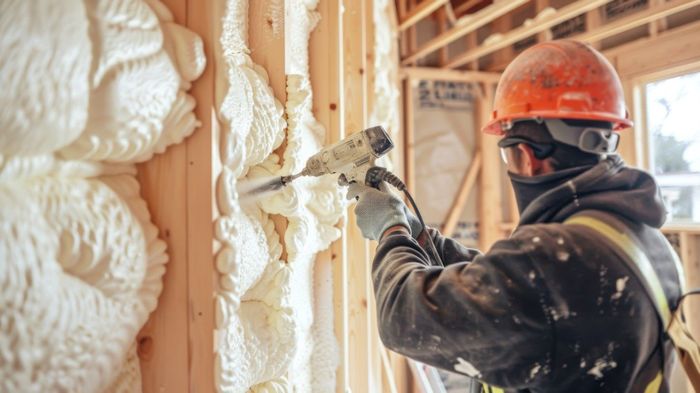
Spray foam insulation is used in areas where air leakage is hardest to control, like rim joists, corners, and tight gaps. It expands to seal cracks that other materials can’t cover, which helps keep conditioned air inside. When these areas are handled correctly, your home holds its temperature longer, your AC runs less often, and indoor spaces feel more consistent from room to room.
Protecting the Structure
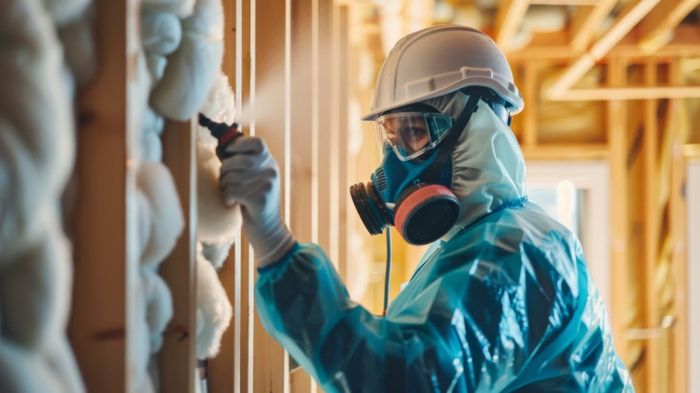
Heat and moisture are what wear a house down over time. In the attic, trapped heat can dry out roofing materials and shorten their lifespan. We reduce that buildup by combining proper insulation levels with airflow—keeping vents open and insulation in place where it belongs. Inside the walls, controlling moisture is just as important.
Insulation helps stabilize temperature differences that lead to condensation. In areas prone to air leakage, foam is used to block both air and water vapor from moving through. By sealing gaps, maintaining ventilation paths, and installing materials that hold their shape, the house stays more stable. That means fewer repairs tied to moisture damage, heat stress, or shifting materials over time.
Attic Insulation Buckeye AZ
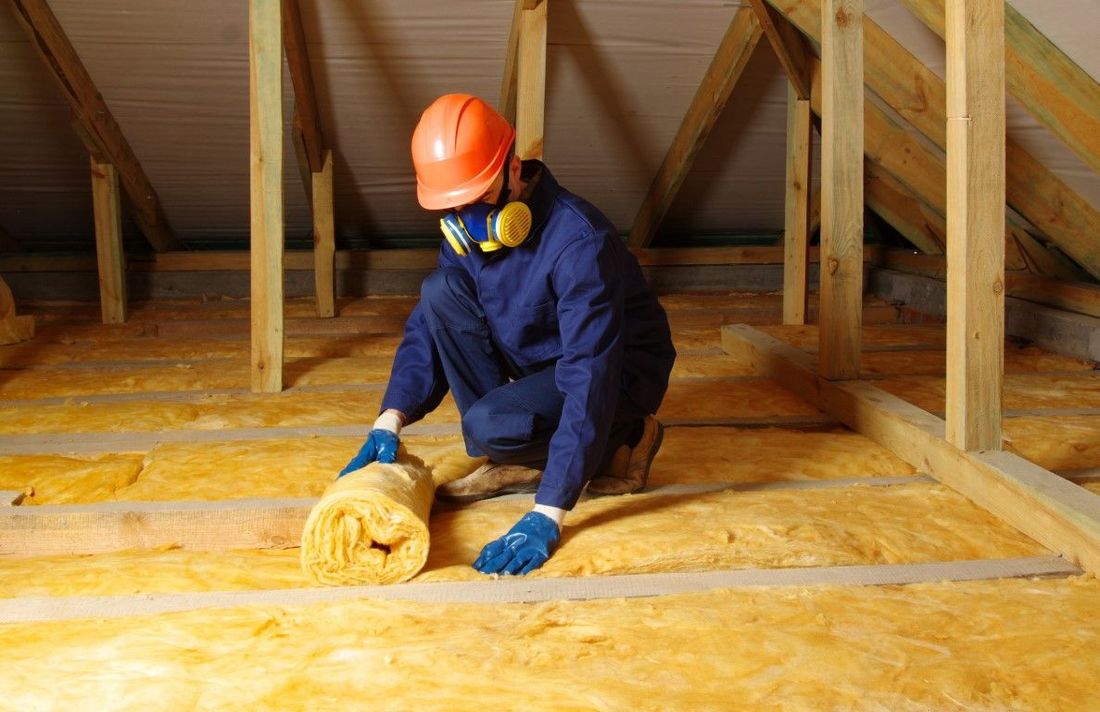
Most of the heat load starts in the attic. By mid-afternoon, attic temperatures climb well past what your AC can reasonably offset, and that heat pushes down through the ceiling. We handle this by sealing the attic floor before adding any new material. That means closing up wire penetrations, top plates, and open chases where hot air leaks into the living space. We also make sure soffit vents stay clear so the attic can breathe properly. For attic insulation in Buckeye, AZ, we install blown-in fiberglass or cellulose to build consistent depth across the attic floor. In areas with irregular framing or tight corners, we use spray foam to seal gaps that loose-fill materials can’t reach. The goal is to stop heat movement at the ceiling line so your cooling system isn’t constantly catching up.
Spray Foam Insulation Buckeye AZ
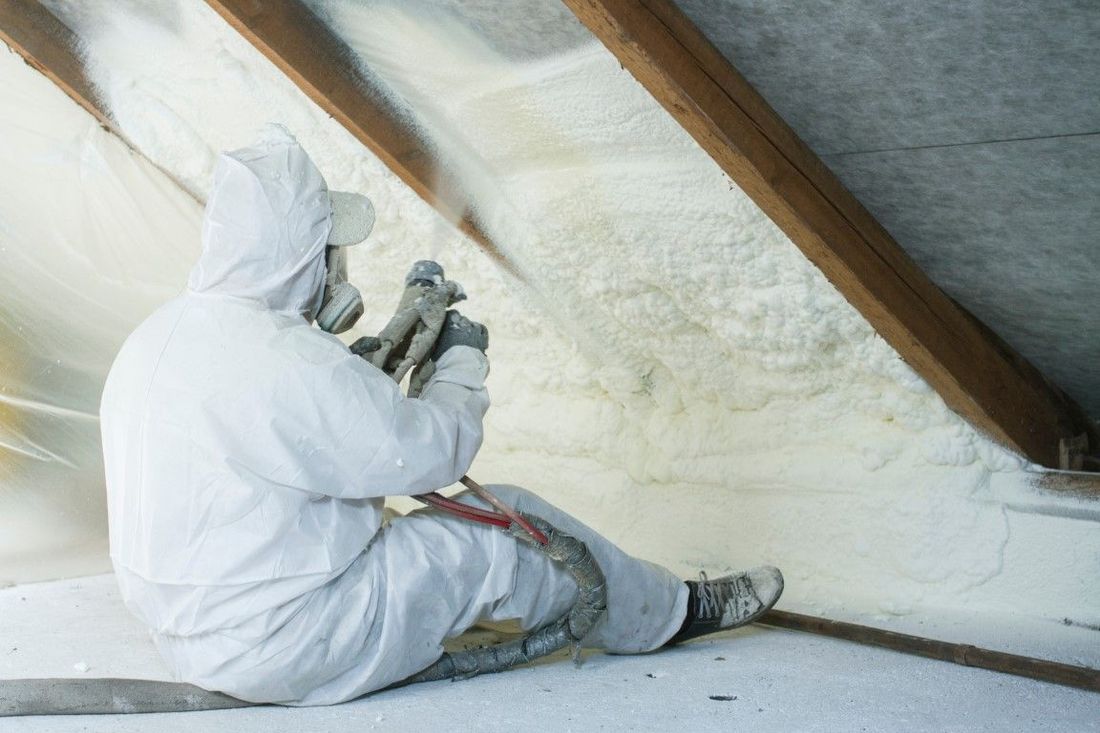
Spray foam in Buckeye, AZ, is what we use when air movement is the main problem. In many homes across the West Valley, gaps around rim joists, roof decks, and wall penetrations let hot air move freely into the house. We apply spray foam directly to those problem areas, where it expands and hardens to block both air and heat transfer. This is especially useful in vaulted ceilings, cantilevered floors, and around ductwork, where traditional insulation leaves openings behind. Instead of layering more material over a leak, foam stops it at the source. That reduces the load on your AC and helps keep temperatures more even from room to room. We often pair this with attic or wall upgrades so the entire building envelope works together, not just one section.
Wall Insulation Buckeye AZ
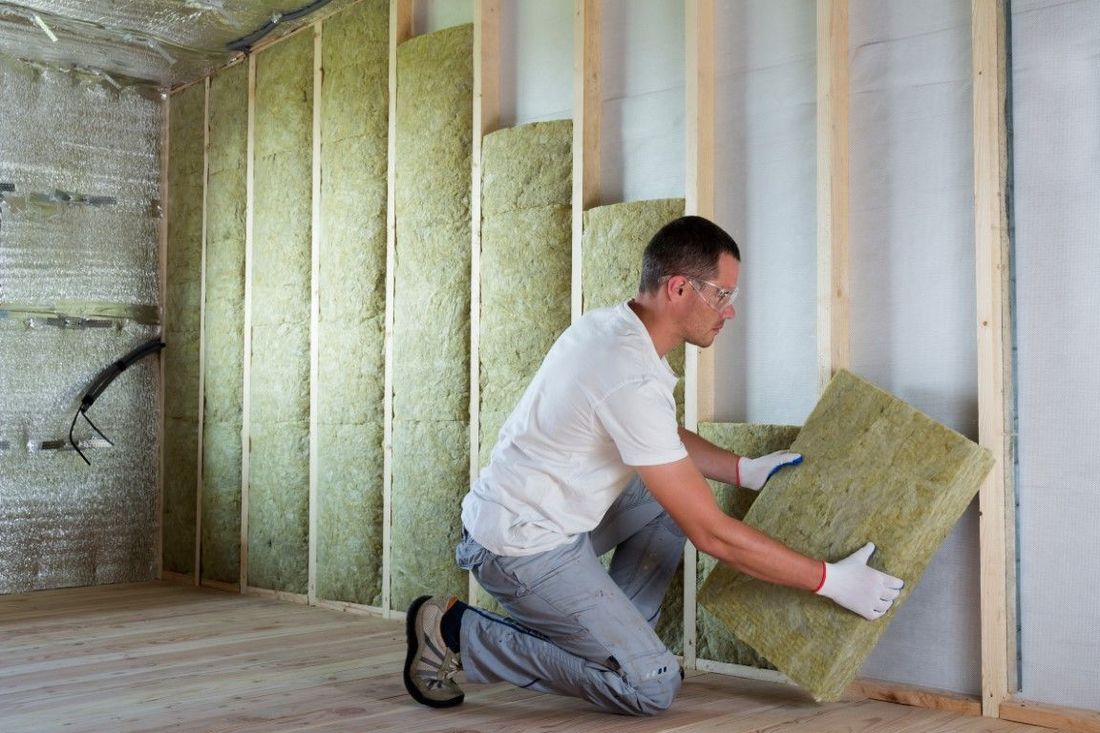
Walls take on a steady amount of heat throughout the day, especially on west-facing sides. Without proper insulation, that heat moves through the drywall and into your living space well into the evening. For existing homes, we add dense-pack cellulose or fiberglass into wall cavities to slow that heat transfer. In open walls or new construction, we install batts or spray foam depending on the framing and how much air sealing is needed. We pay close attention to areas around outlets, plumbing lines, and window framing—these are common weak points where heat and air slip through. Proper wall insulation in Buckeye, AZ, works with the attic layer to keep indoor temperatures stable, so your AC isn’t running longer than it needs to.
The Insulation Services You Can Trust
Most of the heat comes down from the attic and pushes through the ceiling drywall by mid-afternoon. That’s where we start. We install attic insulation to slow that heat before it reaches your living space, using materials that hold their depth and don’t settle quickly. For areas where air leaks are the real problem, we switch to
spray foam insulation. It expands into gaps around wiring, top plates, and rim joists—spots where loose-fill or batts usually fall short. This is especially useful in vaulted ceilings and hard-to-reach corners where hot air tends to move freely. Inside the walls, we add insulation where drafts and uneven temperatures show up most. This helps stabilize indoor temperatures without overworking your AC. We focus on the details that make a difference—sealing small openings, keeping soffit vents clear for airflow, and making sure the insulation is installed evenly. The result is a home that stays more consistent, even during long stretches of heat.
Vision & Mission
Comfort in your home or workspace comes down to how well heat is managed. Heat builds up in the attic by midday and pushes down into the living areas. We deal with that directly by sealing the small openings—around wiring, duct boots, and top plates—before adding insulation. This step keeps hot air from moving freely into your home. For attics, we install fiberglass or cellulose at the correct depth to slow down heat transfer and keep it from settling unevenly over time. In walls, we fill gaps that are often missed during construction, especially around outlets and corners where air tends to leak.
Spray foam insulation is used where loose-fill materials fall short. We apply it along rim joists, rooflines, and other areas where air leakage is common, creating a tight seal that reduces drafts and moisture movement. The focus is simple: stop air from moving where it shouldn’t and use materials that hold up under long, hot seasons.
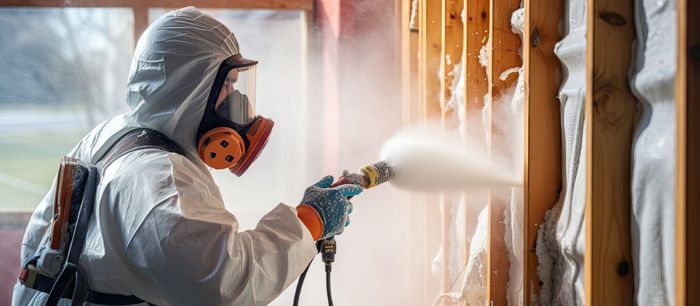
We focus on installing insulation that actually controls how heat moves through a home, not just filling empty cavities. In attics, we seal the common air paths first—around recessed lights, plumbing penetrations, and attic hatches—because those gaps are where hot air enters and conditioned air escapes. For wall insulation, we work around wiring holes and framing gaps so air doesn’t circulate inside the wall space. Spray foam is used where standard batts fall short, especially in rim joists and hard-to-reach framing joints, because it expands and locks into small openings that fiberglass can’t fully block.
Insulation Service FAQ’s
Hot, humid weather pushes heat through a home in more ways than most people expect. It moves through the roof deck, across attic framing, and through small gaps around wiring, pipes, and wall joints. Once inside, that heat spreads into living spaces and makes cooling systems work harder. Different materials handle different parts of that movement. Fiberglass and cellulose slow down heat transfer in open cavities like walls and attic floors. Spray foam is used where air leakage is strongest, especially around rim joists, recessed framing, and penetrations where wires and plumbing pass through. In attic work, airflow paths around soffit vents and roof edges are sealed carefully so hot air doesn’t cycle back into the home. This section breaks down how each
home insulation
type is installed, where it performs best, and what changes in the structure matter most when improving comfort and energy use.
What are insulation services?
Insulation services are professional work that helps control heat and comfort in a home. A trusted Insulation company offers complete insulation services such as inspection, removal of old material, and installation of new systems. These services improve energy efficiency and reduce heat loss. Many homes need attic insulation because heat rises and escapes through the roof. Experts may also suggest spray foam insulation for air sealing or wall insulation to strengthen temperature control in every room. Good insulation services can lower energy bills and improve comfort all year. Working with trained professionals ensures the right materials are used for your home and climate.
Why is attic insulation important?
Attic insulation is important because it helps control how heat moves in and out of your home. Without proper insulation, warm air can escape during cooler months and hot air can enter during summer. This makes your cooling and heating systems work harder. A professional Insulation company often recommends attic insulation as one of the most effective ways to improve energy savings. It also helps reduce moisture problems and improves indoor comfort. In many cases, adding spray foam insulation or upgrading wall insulation can improve results. Good insulation services ensure your attic is sealed so your home stays efficient and comfortable throughout year.
What is spray foam insulation and how does it work?
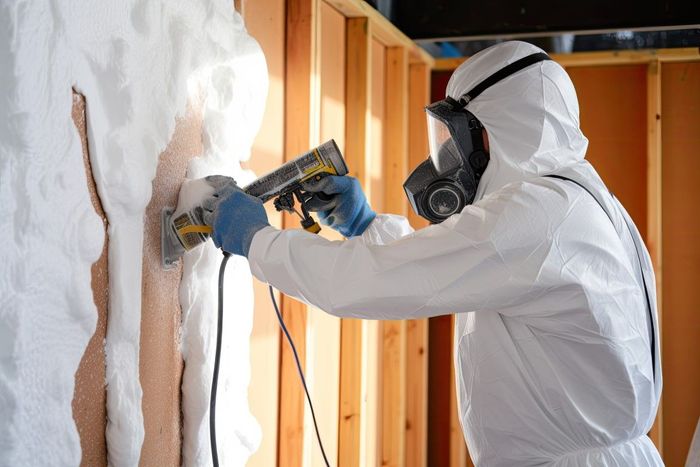
Spray foam insulation is a material that expands after application. It fills gaps, cracks, and spaces to create an air seal. This helps reduce air leaks and improves energy efficiency in home. An Insulation company may recommend spray foam insulation for hard-to-reach areas needing sealing. It is often used in attics, walls, and crawl spaces. Combined with wall insulation, it provides a complete solution for temperature control. Many homeowners choose it because it improves comfort and can lower energy bills over time. Professional insulation services ensure it is installed safely and correctly every time with care and quality.
Why is wall insulation important for Buckeye homes?
Wall insulation plays a major role in keeping indoor temperatures stable. It helps reduce heat transfer through walls, making the home more comfortable in all seasons. A reliable Insulation company often suggests wall insulation as part of a full home upgrade. It works by slowing down heat movement, which helps your heating and cooling systems run more efficiently. Combined with attic insulation and spray foam insulation, it creates a strong barrier against outside temperatures. Quality insulation services ensure that wall insulation is installed properly for the best results. This can lead to lower energy bills and more comfortable living space year round.
How do I know if my Buckeye home needs new insulation?
You may need new insulation if your home feels too hot in summer or too cold in winter. High energy bills, uneven room temperatures, and drafts are also common signs. A professional Insulation company can inspect your home and recommend the right insulation services. They may check attic insulation, wall insulation, and air leaks. In some cases, adding spray foam insulation can improve sealing and efficiency. Older homes often have worn or outdated materials that no longer perform well. Updating insulation helps improve comfort, reduce energy costs, and create a more balanced indoor environment throughout the year.
How long does insulation installation take in Buckeye, AZ?
The time needed for insulation services depends on the size of your home and the type of work required. Smaller projects like attic insulation can often be completed in one day, while larger jobs involving wall insulation or spray foam insulation may take longer. A trusted Insulation company will first inspect your home and provide a clear timeline. They will also ensure proper preparation and safe installation. Professional insulation services are designed to be efficient while maintaining quality. Most homeowners notice improvements in comfort and energy efficiency shortly after installation is complete.
When should I schedule Insulation removal Buckeye AZ service for my home?
Schedule Insulation removal in Buckeye AZ if your attic insulation has rodent droppings, urine smell, old water stains, heavy dust, fire or smoke damage, or thin spots that leave rooms hot by mid-afternoon. Buckeye homes near Verrado, Sundance, Tartesso, and Watson Road deal with harsh desert heat, monsoon dust, roof vent gaps, and the occasional roof rat or scorpion hiding where you don’t want them.
Here’s the thing: old insulation can trap odors, allergens, and pest waste like a sponge in the attic. Not great. A trained insulation contractor can remove the damaged material, check for air leaks, seal problem spots, and prepare the attic for new insulation that helps your home stay cooler and more comfortable. Call today to schedule insulation removal in Buckeye, AZ and get your attic back in better shape.
Is Blown in insulation Buckeye AZ service a good upgrade for hot rooms and high energy bills?
Yes, blown in insulation in Buckeye AZ is a strong choice for homes that feel too hot in summer, mainly in neighborhoods like Verrado, Sundance, Tartesso, Westpark, and Festival Foothills. Buckeye attics take a beating from 110-degree days, monsoon dust, and long sun exposure on tile roofs. Thin or settled insulation lets attic heat push into bedrooms, hallways, and garages.
Here’s the thing: blown in insulation fills small gaps around framing, wiring, and attic corners better than many batt jobs. That helps your AC run less and keeps indoor temps more even. Honestly, it’s like putting a better hat on your house. Your attic is where the heat hits first. Call a Buckeye insulation contractor today to check your attic depth, air leaks, and R-value needs before peak summer hits.