Buckeye Insulation Pros
(623) 260-2057
Wall Insulation Services in Buckeye AZ
A garage can easily hit 130 degrees in the summer. That heat doesn’t just stay in the garage—it pushes right through the shared wall into your house. Same thing with exterior walls that face west. They soak up sun all afternoon, and by evening, that heat is still bleeding inward. If those walls aren’t insulated right, your AC is fighting a losing battle. Heat moves toward cold. In July, that 115-degree air outside is always trying to move into your cooler living space. Wall insulation in Buckeye, AZ isn’t about stopping heat completely—you’re not building a freezer. It’s about slowing that movement down so your system can keep up without running all day.
How Wall Insulation Actually Works
Inside your walls, you’ve got studs—usually 2x4 or 2x6 framing—with empty cavities in between. Without insulation, those cavities are basically open pathways for heat to transfer through drywall and into your home. We fill those cavities with materials that trap air and break up heat flow. That’s where R-value comes in. The higher the R-value, the better the material is at slowing heat transfer. But R-value isn’t the whole story out here in the West Valley. Air movement matters just as much. If hot air can move through gaps, cracks, or poorly installed insulation, it carries heat with it. That’s why the type of insulation like spray foam and attic insulation—how it’s installed—makes a real difference.
The Materials We Use and Why
- Fiberglass Batts: This is the standard stuff you’ve probably seen—pink or yellow rolls cut to fit between studs. It works by trapping pockets of air, which slows down heat movement. It does the job if it’s installed correctly. That’s the catch. If it’s compressed, folded, or leaves gaps around wiring or outlets, it loses effectiveness fast. Heat, those small mistakes add up. We cut each piece to fit tight against studs and around obstructions. No stuffing, no shortcuts.

- Blown-In Fiberglass or Cellulose: For existing walls where we’re not tearing out drywall, we drill small access holes and blow insulation into the cavities using a machine. This method fills in gaps better than batts, especially in older homes where framing isn’t perfectly spaced. It packs the cavity so there’s less air movement inside the wall.
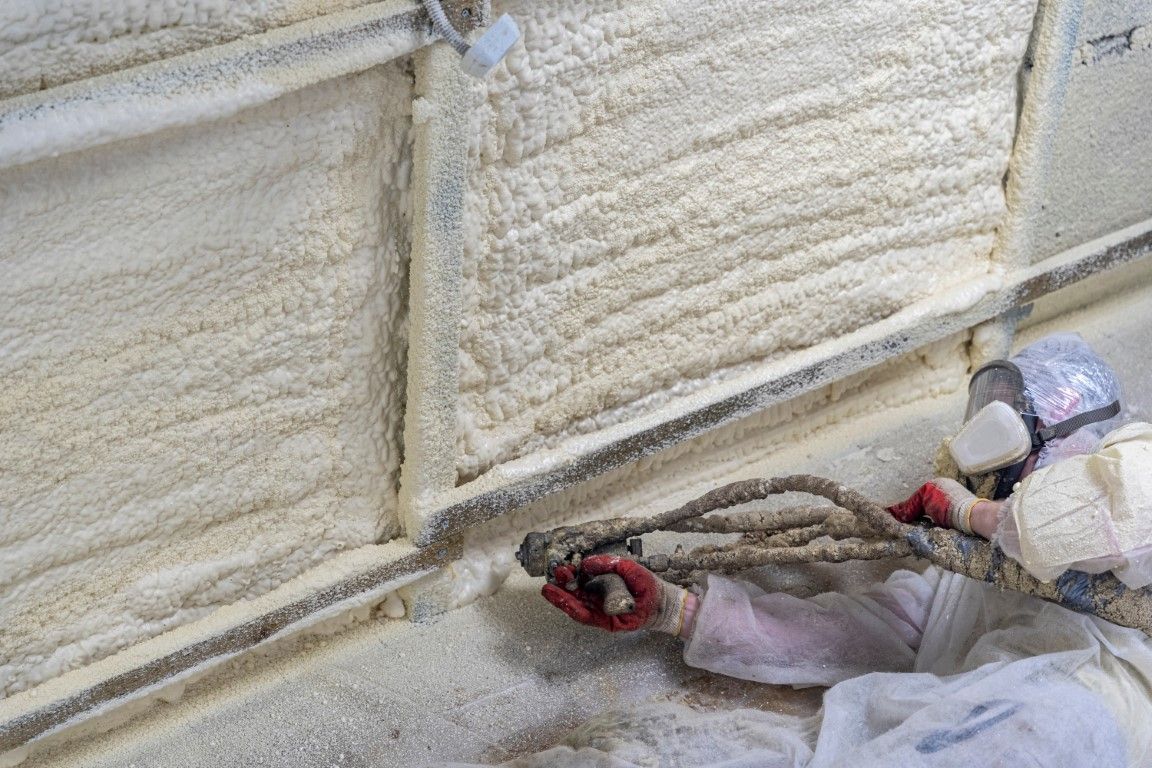
- Spray Foam (Open-Cell or Closed-Cell): This is where things change a bit. Spray foam expands after it’s applied, sealing off air gaps completely. Closed-cell foam has a higher R-value and adds some rigidity to the wall. It also blocks moisture better. Open-cell is softer and still seals air, but with a lower R-value
Others Services That We Offer:
What the Installation Looks Like
We don’t just show up and start stuffing walls. First thing is inspection. We look at the wall layout, check for existing insulation, wiring, plumbing, and any signs of air leakage. In older homes around the West Valley, you’d be surprised how many walls are either under-insulated or missing it completely. If we’re working with open walls—like during a remodel—we install batts or spray foam directly into the stud bays. Every cavity gets filled properly, and we make sure insulation is flush with the face of the studs so drywall sits right later.
Where Wall Insulation Makes the Biggest Difference
Not every wall in your house needs to be redone. Some areas matter more than others: Garage-to-house walls are a big one. That’s a constant heat source right next to your living space. West- and south-facing exterior walls take the most sun. If those rooms feel warmer at night, that’s usually why. Rooms that never seem to match the rest of the house—always hotter in summer, colder in winter—are usually dealing with poor insulation or air leakage.
The No-BS Truth: When It’s Worth It (and When It’s Not)
If your house was built in the last 10–15 years and everything was done to code, your wall insulation is probably decent. You might get more value focusing on attic insulation or air sealing instead. But if you’ve got an older home, or you can feel heat radiating off certain walls at night, wall insulation can make a noticeable difference. Same goes if your garage wall is heating up your kitchen or living room. Spray foam makes sense when you’ve got a specific problem—like a hot wall that won’t cool down. It’s not something you need everywhere.
Clean Work Matters
Insulation work can get messy if it’s done wrong. We keep it contained—drop cloths, proper cutting, controlled drilling, and cleanup at the end of the day. If we’re drilling into finished walls, we patch things back up so you’re not chasing repairs afterward. The goal is simple: when we leave, the only difference you notice is the room feels more stable.
If your AC runs constantly in the summer, certain rooms feel like they never cool down, or your power bills spike every July, your walls might be part of the problem. Wall insulation, including
blown-in insulation, isn’t always the first fix, but in the right spots, it changes how your house handles heat. If you’ve got a room that won’t stay cool or a wall that feels warm even after sunset, reach out. We’ll take a look at what’s going on inside those walls and tell you straight what makes sense and what doesn’t.
FAQs About Wall Insulation
How do I know if my walls need insulation?
If your rooms feel warmer near exterior walls or you notice uneven temperatures throughout the house, that’s often a sign. Older homes or homes with rising energy bills usually benefit from upgraded wall insulation. A quick inspection can confirm what’s going on behind the walls.
Can wall insulation be added without removing drywall?
Yes, in many cases it can. Small access holes are created to install insulation inside wall cavities, then sealed afterward. This method avoids major disruption and still improves energy performance across the home.
What type of insulation is best for walls?
It depends on the structure of your home and your goals. Blow-in insulation works well for existing walls, while spray foam can help with air sealing in certain areas. The right choice comes down to how much coverage and efficiency you want.
Will wall insulation help lower my energy bills?
Yes, it usually does. Proper insulation reduces heat transfer, so your cooling system doesn’t have to run as often. Many homeowners notice a difference within the first few months, especially during hotter seasons.
Does wall insulation help with noise reduction?
It can make a noticeable difference. Insulation adds density inside the walls, which helps absorb sound between rooms and from outside. It won’t make your home silent, but it does help create a quieter indoor space.
How long does wall insulation last?
Most wall insulation materials are designed to last for decades. As long as they stay dry and undisturbed, they continue to perform well. Over time, inspections can help ensure everything is still in good condition.