Buckeye Insulation Pros
(623) 260-2057
Closed-Cell Foam Insulation Services in Buckeye AZ
You ever notice how some homes just feel tighter, like the air stays where it’s supposed to? Not stuffy. Just… controlled. We provide closed-cell foam insulation services for homeowners in Buckeye, AZ who want stronger air sealing, better temperature control, and a home that doesn’t constantly fight against outside heat. This service is built for people dealing with air leaks, high cooling costs, and spaces that never quite hold temperature, and it delivers a dense, high-performance barrier that works in places other insulation can’t.
It’s one of those upgrades that changes how your whole house behaves.
What Closed-Cell Foam Insulation Actually Does
Closed-cell foam is different from traditional insulation. It doesn’t just sit in place.
It expands, hardens, and forms a dense layer that blocks both air and moisture movement. That density is what makes it stand out. It adds structure, seals gaps, and creates a strong barrier against heat. So what’s the real benefit? You’re not just slowing heat transfer. You’re stopping airflow at the same time. That combination is what improves comfort and reduces energy loss.
What This Service Involves
Inspection and Planning
We start by identifying areas where closed-cell foam will make the biggest impact. That usually includes attics, wall cavities, crawl spaces, and problem areas with known air leaks.
We also take time to evaluate how different areas of the home connect, since air movement often travels through shared pathways. Spaces like attics and crawl spaces can impact the rooms above them more than most people realize. By looking at the home as a complete system, we can identify where improvements will have the greatest impact.

Surface Preparation
Before application, the space is prepared to ensure proper adhesion. This step matters more than most people think.
Foam Application
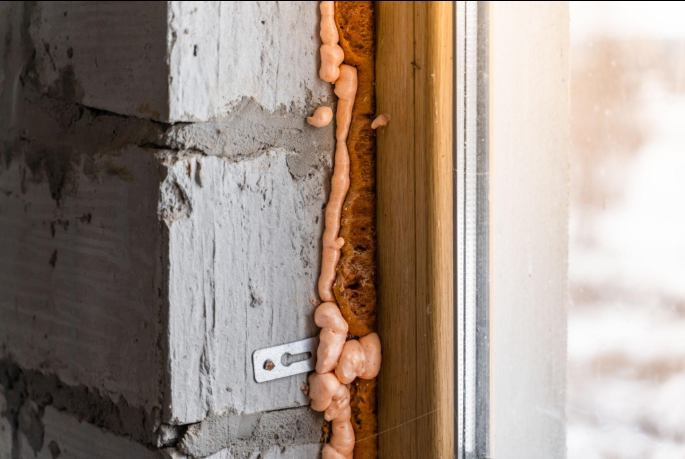
The foam is applied as a liquid, then expands into place. It fills gaps, bonds to surfaces, and forms a rigid layer that stays in place over time.
Final Review
Once installed, we check coverage and confirm that key areas are properly sealed.
When Closed-Cell Foam Makes the Most Sense
Some homes need more than basic insulation. If you’re dealing with persistent hot spots, noticeable drafts, or areas that never seem to stay cool, this option can help. It’s especially useful in spaces where traditional materials struggle to fit tightly. You might also consider it if your home has ongoing air leakage issues that haven’t improved with standard insulation upgrades. Sometimes you don’t need more material. You need better performance.
Why Air and Heat Problems Happen
The thing is, most homes aren’t sealed as tightly as people assume. Small gaps form during construction. Over time, materials shift. Openings around vents, wiring, and framing allow air to move freely. In Buckeye, outside heat puts pressure on those gaps. It finds its way inside through even the smallest openings. Closed-cell foam works well here because it doesn’t leave space for air to pass through. It locks those openings down.
What Affects the Cost of Closed-Cell Foam Insulation
Cost depends on where and how much foam is applied. Targeting small areas like rim joists or problem spots costs less than insulating larger sections like full attics or walls. Accessibility plays a role too. Tight spaces or complex layouts can increase labor time. And then there’s the thickness of application. Closed-cell foam is often installed at specific depths to achieve the desired performance level.
Closed-Cell vs Open-Cell Foam Insulation
People often ask about the difference. Closed-cell foam is denser. It provides stronger air sealing and adds a level of moisture resistance. It’s often used in areas where durability and performance matter most. Open-cell foam is lighter and expands more, but it doesn’t offer the same level of resistance. So which one is better? If you need strength, air sealing, and moisture control in one material, closed-cell is usually the better choice.
What the Installation Process Feels Like
A lot of homeowners expect a long, complicated project. It’s usually quicker than that. We focus on targeted areas, apply the foam, and let it expand and cure. Most jobs can be completed within a day depending on the size of the space. You may not notice much during installation. But afterward, the difference in how your home holds temperature becomes clear.
Benefits You’ll Notice After Installation
Your home feels more controlled. That’s usually the first thing people notice. Then your cooling system runs less often. Energy use drops. Rooms feel more consistent. There’s also a durability factor. Closed-cell foam doesn’t settle or shift over time like some other materials. It stays in place. And it keeps doing its job.
FAQs About Closed-Cell Foam Insulation
What makes closed-cell foam different from other insulation types?
Closed-cell foam is denser and forms a rigid barrier after installation. It blocks both air and moisture movement, which helps improve overall performance compared to traditional materials.
Where is closed-cell foam typically installed?
It’s often used in attics, walls, crawl spaces, and areas where air leaks are common. It works especially well in tight or irregular spaces.
Does closed-cell foam help reduce energy bills?
Yes, in many cases it does. By sealing gaps and reducing heat transfer, it helps your cooling system run less often, which can lower energy use.
How long does closed-cell foam insulation last?
It’s designed to last for decades without settling or losing its shape. Once installed, it maintains its performance over time.
Is closed-cell foam safe for residential use?
Yes, when installed correctly and allowed to cure, it’s safe for home use. Proper installation is important to ensure the best results.
Is closed-cell foam a good choice for hot climates?
It can be very effective. Its ability to block heat and seal air leaks makes it a strong option for homes exposed to high temperatures for long periods.