Buckeye Insulation Pros
(623) 260-2057
Open-Cell Foam Insulation Services in Buckeye AZ
You ever step into a house and it just feels quieter, softer, almost like the air isn’t rushing around as much? That’s usually not an accident. We provide open-cell foam insulation services for homeowners in Buckeye, AZ who want better airflow control, improved comfort, and a home that feels more balanced from room to room. This service is built for people dealing with uneven temperatures, minor air leaks, and spaces that need flexible coverage, and it creates a breathable insulation layer that adapts to your home’s structure. It’s not rigid. That’s kind of the point.
What Open-Cell Foam Insulation Actually Does
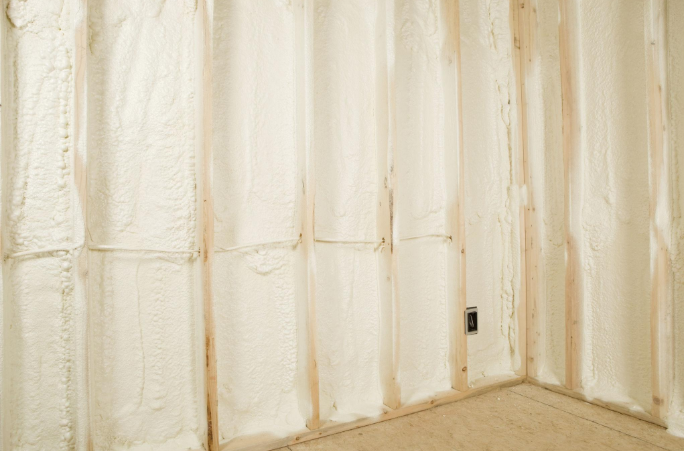
Open-cell foam starts as a liquid, then expands rapidly into a soft, sponge-like material. It fills gaps, cracks, and irregular spaces that other insulation types often miss. Once in place, it helps slow heat transfer and reduce unwanted airflow, but it still allows a bit of breathability within the structure. So what makes it different? It’s lighter than closed-cell foam. It expands more. It’s ideal for areas where full gap coverage matters, but extreme density isn’t required.
What This Service Involves
Inspection and Planning
We begin by identifying where open-cell foam will perform best. This usually includes attics, interior walls, and spaces where consistent coverage is needed.
We also look at how air moves through these areas, especially around joints, corners, and transitions between surfaces. These spots can affect how well the material performs if they are not properly addressed. By identifying these details early, we can ensure more consistent coverage and better overall results.

Surface Preparation
The area is prepared to allow proper expansion and adhesion. This step helps the foam perform the way it’s designed to.
Foam Application
The foam is sprayed into place and expands quickly, filling cavities and sealing gaps along the way.
Final Check
We review coverage and confirm that key areas are properly insulated and sealed.
When Open-Cell Foam Makes Sense
Not every space needs a dense, rigid material. If you’re dealing with uneven room temperatures, light drafts, or areas where insulation needs to conform to irregular shapes, open-cell foam is a strong option. It’s also useful when sound control matters. The softer structure helps absorb noise between rooms. Sometimes the goal isn’t maximum density. It’s complete coverage.
Why Homes Experience Airflow and Heat Issues
The thing is, homes are full of small openings. Around wiring. Around vents. Around framing connections. Over time, these gaps allow air to move freely. In Buckeye, that often means hot air entering your home during long stretches of heat. Open-cell foam helps by expanding into those gaps and limiting airflow. It doesn’t block moisture the same way denser materials do, but it still improves overall performance where coverage is the priority.
What Affects the Cost of Open-Cell Foam Insulation
Cost depends on how much area needs to be covered and how accessible it is. Large attic spaces require more material. Wall cavities may take more time depending on layout. The thickness of application also plays a role. Deeper coverage improves performance but increases material use. And then there’s the condition of the space. If preparation or repairs are needed beforehand, that adds to the overall scope.
Open-Cell vs Closed-Cell Foam Insulation
This is one of the most common questions. Open-cell foam is lighter and expands more. It’s ideal for filling larger areas and creating consistent coverage. Closed-cell foam is denser and provides stronger air and moisture resistance. So which one is right? If you need flexibility and full coverage in open spaces, open-cell works well. If you need higher resistance and structural strength, closed-cell may be the better fit.
What the Installation Process Feels Like
Most homeowners expect it to take longer than it does. In many cases, the work is completed within a day depending on the size of the space. We apply the foam, let it expand, and confirm coverage before wrapping up. You don’t need to leave your home for most projects. And the difference? You’ll notice it once your home starts holding temperature more consistently.
Benefits You’ll Notice After Installation
Rooms feel more balanced. That’s usually the first thing people notice.
Then comes reduced airflow. Fewer drafts. A more comfortable indoor feel. There’s also a sound benefit. Open-cell foam helps absorb noise, which can make your home feel quieter overall. It’s a subtle shift. But it changes how the space feels day to day.
FAQs About Open-Cell Foam Insulation
What is the main benefit of open-cell foam insulation?
It expands to fill gaps and irregular spaces, which helps improve coverage and reduce airflow. This leads to better overall comfort throughout the home.
Where is open-cell foam typically used?
It’s commonly installed in attics, interior walls, and other areas where flexible coverage is needed. It works well in spaces with uneven shapes.
Does open-cell foam help with noise reduction?
Yes, its softer structure helps absorb sound, which can reduce noise between rooms and from outside sources.
How long does open-cell foam insulation last?
It’s designed to last for many years without settling or shifting when installed properly.
Is open-cell foam a good option for hot climates?
It can be effective, especially when used in combination with proper air sealing and attic insulation. It helps reduce heat transfer and improves indoor comfort.
Can open-cell foam be installed over existing insulation?
In some cases, yes. It depends on the condition of the current material. If the existing insulation is damaged, removal may be recommended first.